
Back to Projects
Mental HealthRecent
Love Beyond Romance
Exploring Love, Responsibility, and Youth Mental Health
Background and Rationale
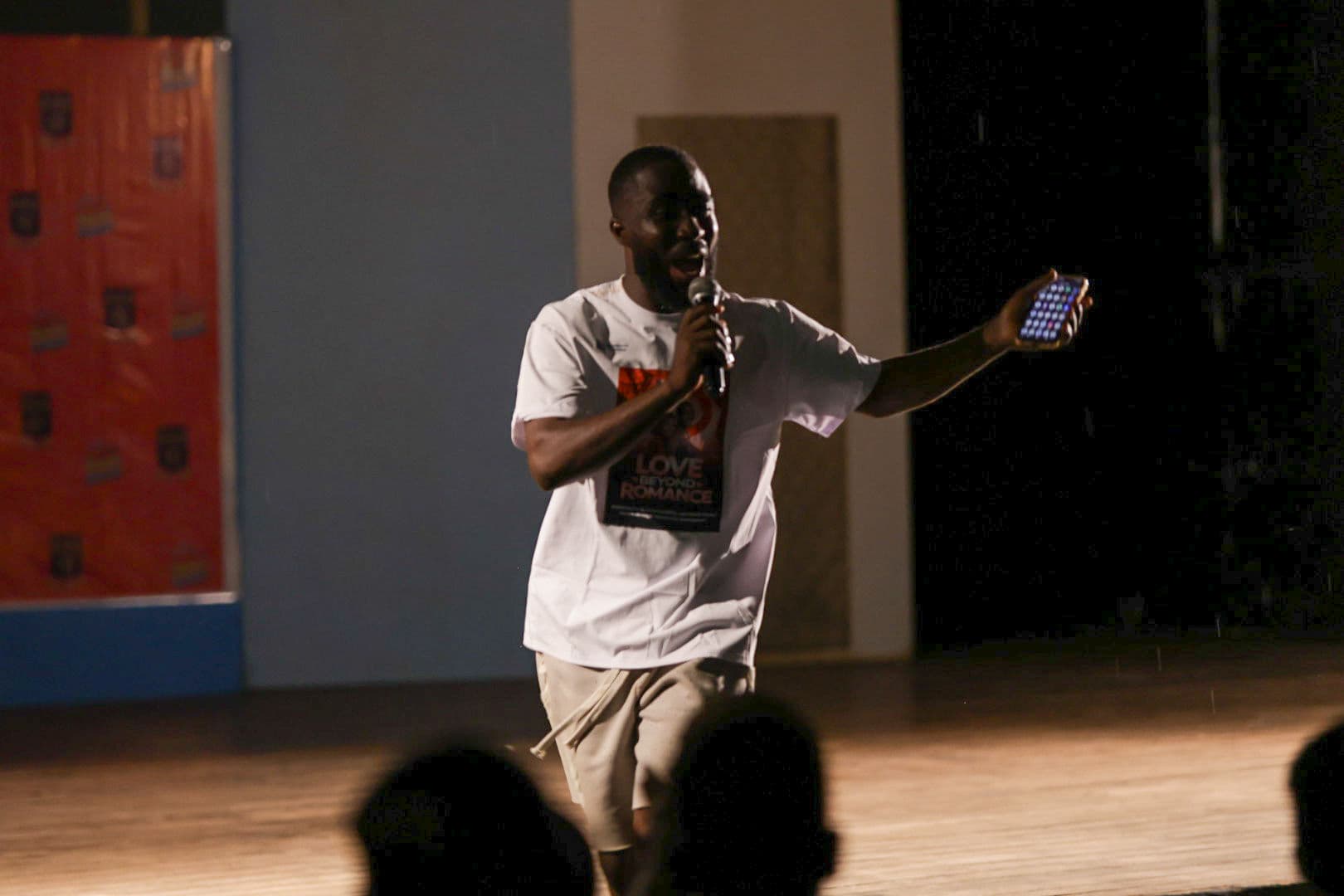
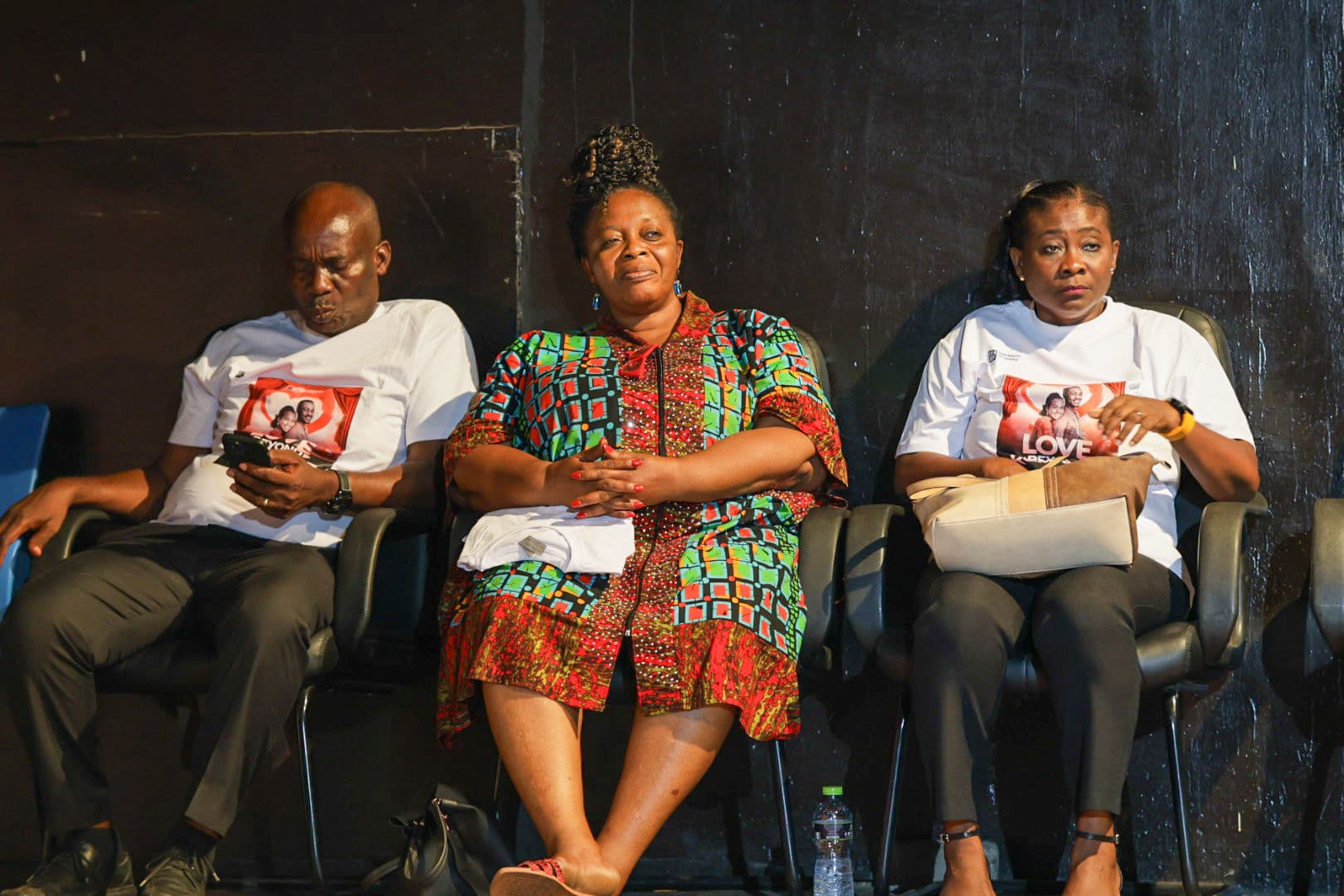
In recent years, Ghana has witnessed a growing concern around youth mental health, particularly among young people navigating relationships, academic pressures, unemployment, and social expectations. The influence of social media and modern relationship culture has further shaped unrealistic perceptions of love, often leading to emotional distress, anxiety, and unhealthy behavioral patterns. Despite the increasing need for mental health awareness, many young people lack safe, engaging, and culturally relevant platforms to discuss these issues openly. Love Beyond Romance was initially developed as a community-based Theatre for Development (TfD) project at the University of Ghana, where it successfully engaged students through performance, dialogue, and participatory activities. Building on this pilot success, the project seeks to expand into a national initiative to reach a wider youth population across Ghana.
The project uses creative arts, theatre, and dialogue as tools to educate, engage, and empower young people to make informed decisions about relationships, emotional well-being, and mental health.
Core Components
- Community Health Walks (“Steps Beyond Roses”)
- Basic Health Screening & Mental Health Support
- Interactive Youth Engagement Activities
- Theatre for Development Performances
- Facilitated Dialogue Sessions with Experts
- Media Coverage & TV/Online Programming
Implementation Strategy
Phase 1: Pilot Expansion
- Build on University of Ghana success
- Extend to selected universities and communities
Phase 2: Media Integration
- Collaborate with media houses such as TV3 Network Limited
- Develop a TV and digital series
Phase 3: National Rollout
- Regional activations across Ghana
- Institutional partnerships
Gallery




Expected Outcomes
- 1Increased national awareness of youth mental health
- 2Improved understanding of responsible relationships
- 3Reduced stigma surrounding mental health issues
- 4Strengthened youth engagement and participation
- 5Established sustainable partnerships for long-term impact